
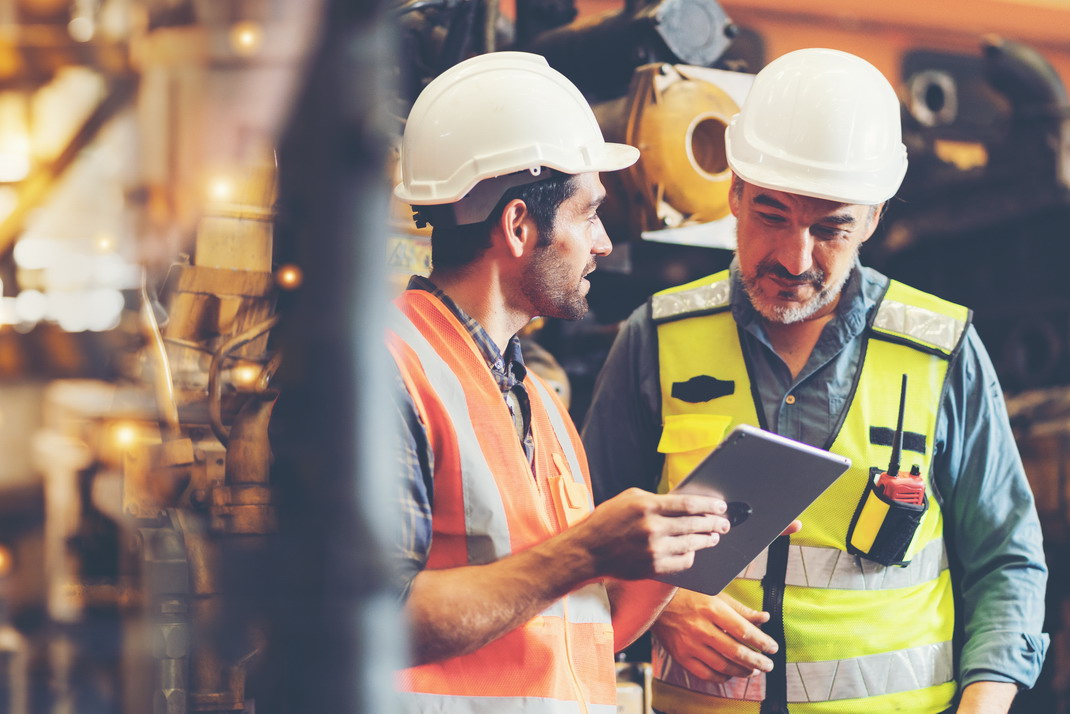

Factory floors throughout America appear significantly different today compared to a decade ago. Devices communicate with one another, robots assist humans, and issues are resolved before leading to failures. This revolution originates from the Internet of Things (IoT) – technology that links devices to the internet and to one another. Manufacturing has adopted these intelligent devices to enhance production, reduce expenses, and create superior products. Employees presently utilize tablets in place of clipboards, while supervisors can monitor factory efficiency from their mobile devices. The transformations occurring in factories illustrate how technology is fundamentally altering American industry.
Table of Contents
Smarter Machines, Fewer Breakdowns
A significant transformation that IoT brings to manufacturing plants is predictive maintenance. Machines once ran until they broke, causing expensive repairs and production halts. Nowadays, machines constantly monitor temperature, vibration, and noise. These sensors detect subtle changes signaling potential problems.
A failing bearing might vibrate before it fails entirely. IoT systems detect these initial warning signals and notify maintenance teams. Repairs take place during planned downtime rather than during urgent orders. This method reduces repair expenses by as much as 40% and almost eradicates unexpected failures. The lifespan of machines increases by years, resulting in millions of dollars in savings for factories on replacement expenses.
Real-Time Quality Control
The experts at Blues IoT say that the quality of products has significantly enhanced because of IoT connectivity in manufacturing. Intelligent cameras and sensors inspect items during production, rather than only at the conclusion of the process. If something begins to diverge from specifications, the system either self-corrects or notifies operators.
A food manufacturing facility may utilize temperature sensors during its cooking procedure. If temperatures fall below safe thresholds, the system can promptly alert to an issue. This identifies problems before a whole batch is damaged. Comparable systems operate in various fields, including automotive components and apparel production. The outcome is improved quality, reduced waste, and fewer customer grievances.
Workers Becoming Tech Experts
Manufacturing jobs have transformed as IoT permeates the industry. Employees who previously handled monotonous tasks now operate complex machinery. Many individuals dedicate their time to examining data from machines instead of using them directly. This change necessitates new competencies but frequently results in safer workplaces and better-paying jobs.
The approach to training has also evolved. New employees may train with virtual reality prior to handling real machinery. Skilled employees frequently use smart glasses that show repair guidelines directly within their line of sight. These tools assist employees in resolving issues more quickly and minimizing errors. The production area has transformed into a technology-driven environment where finding solutions is valued over manual work.
Energy and Resource Savings
IoT enables factories to reduce energy consumption and minimize material waste. Intelligent systems monitor resource consumption during the manufacturing process and pinpoint waste. A plastic molding process may find that specific temperature levels consume less energy while still creating parts of the same quality. Metal cutting processes can enhance cuts to reduce waste.
The savings accumulate rapidly. Many factories claim to have reduced energy expenses by 20% or greater after adopting IoT systems. Water consumption frequently decreases by comparable amounts. These enhancements benefit the environment and simultaneously boost profits. Eco-friendly production has turned profitable due to improved data.
Conclusion
The shift in manufacturing due to IoT is rapidly gaining momentum. Factories grow increasingly efficient, adaptable, and responsive each year. Employees acquire new abilities and assume more engaging positions. Manufacturing is now at the forefront of innovation. With the decreasing costs and increasing usability of these systems, even smaller factories will participate in the revolution. U.S. manufacturing is reconstructing itself from the foundation, driven by data and connected technologies.
